What are good structures for a prototype?
In summary
There are three types of prototypes I use a lot when it comes to testing new service ideas:
Storyboard: a tool to summarize how a service can feel to the end user, including three key moments
Landing page: a way to prototype and test an idea, using a sales copy generator tool and a messaging framework to structure the landing page
Service Blueprint: a way to see all that it takes to build a new service and test the idea for feasibility internally, with a basic structure including four steps
Storyboard
A storyboard is a great tool to summarise how a service can feel to the end user.
You can create a storyboard showing how your service idea helps someone fix a problem. Basically, you would:
Set the scene: Explain who your user is, what problems he is facing, and how he discovers your service.
Show the key moments of the service:
Highlight three essential moments where your service relieves the customer's pain points.
Finish with emotions: Show how the service fixed the initial pain point and how it allows the user to live more fully.
Below you'll see an overview of a template that you can use to create a storyboard using this structure very quickly in miro.
Landing page
Use Podia's sales copy generator to write your first draft
A landing page is a great way to prototype and tests an idea, as for many services, people will first compare services based on a search they've done online.
I find that the Sales Copy Generator of Podia offers a good structure to help you create the base structure of a landing page.
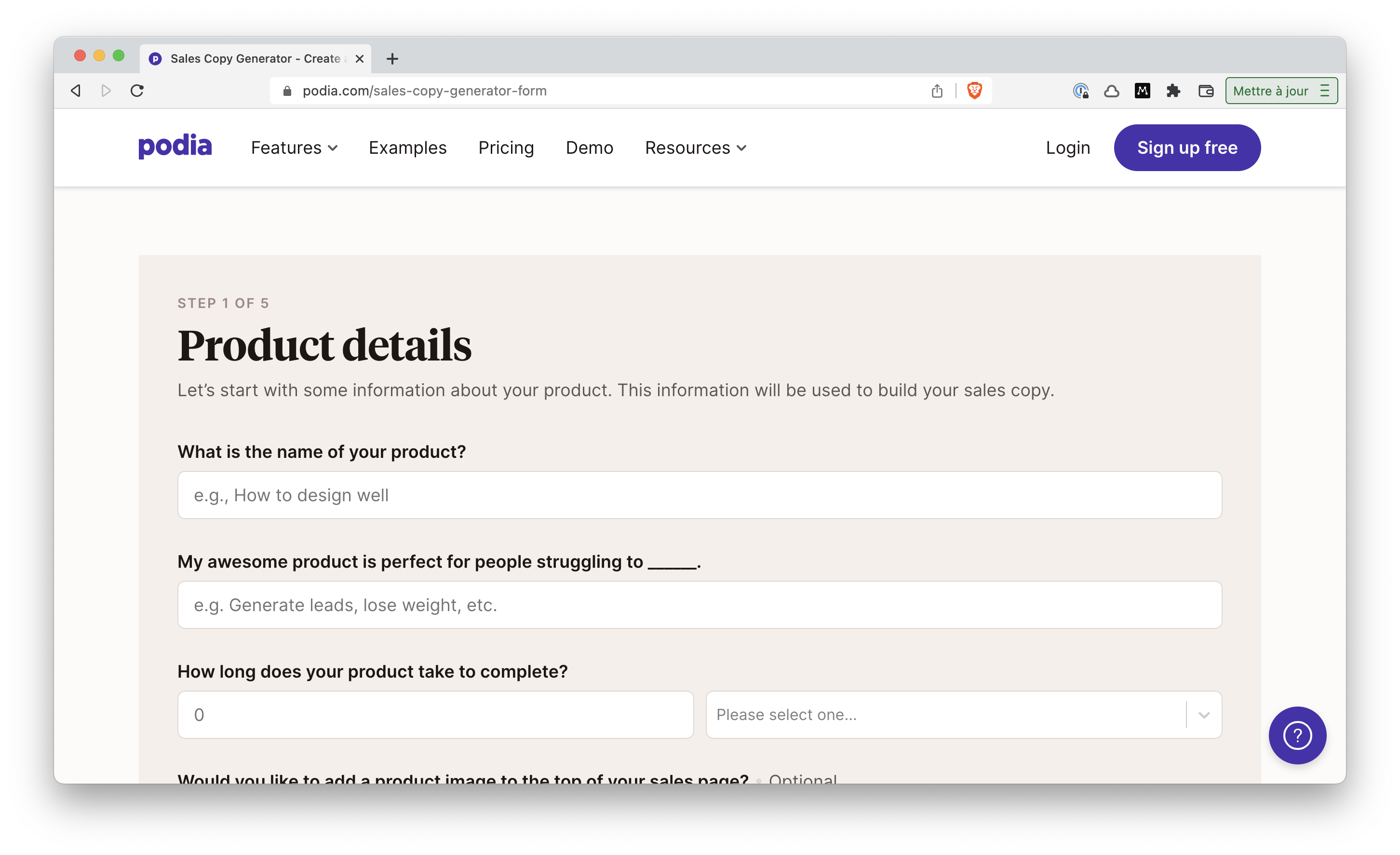
This tool asks you a few questions in five steps and then generates a PDF of a landing page that you can use to create your own prototype.
Use a Typedream to create your landing page
Lately, I've used this generator to help create the texts and then I used Typedream to create a landing page using one of their free templates.
Use The Five Lightbulbs messaging framework to create your landing page draft
Another inspiration that can be used when it comes to creating the texts for a landing page is the messaging framework "The Five Lightbulbs".
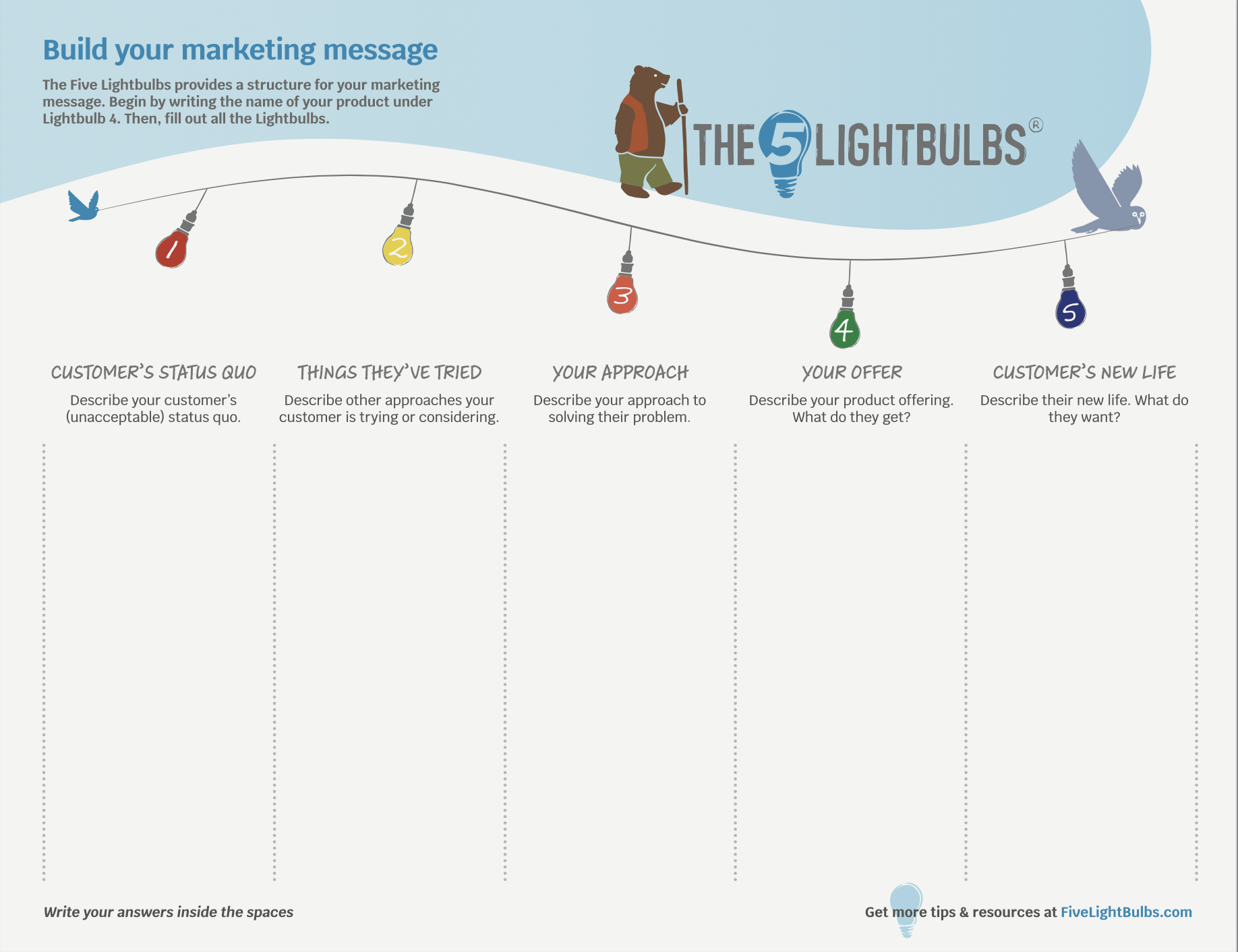
In short, your landing page will show:
The painful status quo
What people have already tried
Your approach
Your offer
The new life people get
Service Blueprint
A Service Blueprint can be a great way to see all that it takes to build a new service and then test the idea for feasibility internally.
A basic structure you can use for your service blueprint is:
Aware: How do people discover that the service exists?
Join: What are the steps people take to get access to the service?
Use & develop: how do people use the service and develop a relationship with it?
Leave and re-join: What happens when people leave the service and when they want to come back?
New to service blueprints? Start with a short course
I created a free course called Service Blueprint for lazy people that can help you to create such a blueprint quickly.
Use a service blueprint template
Minimal Service Blueprint (Notion template)
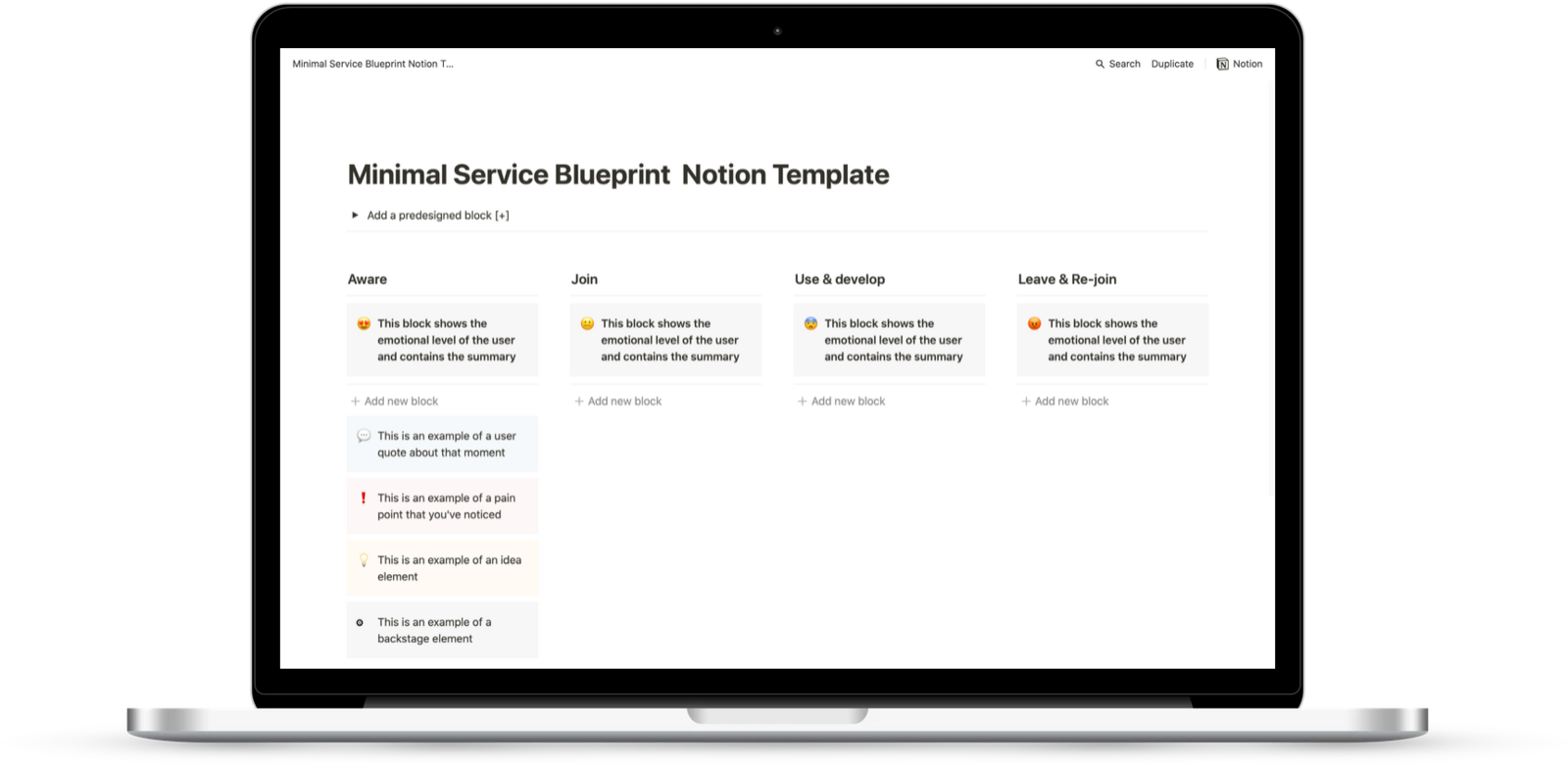
Create, share and export your next Service Blueprint directly within Notion.
Expandable Service Blueprint (Notion Template)
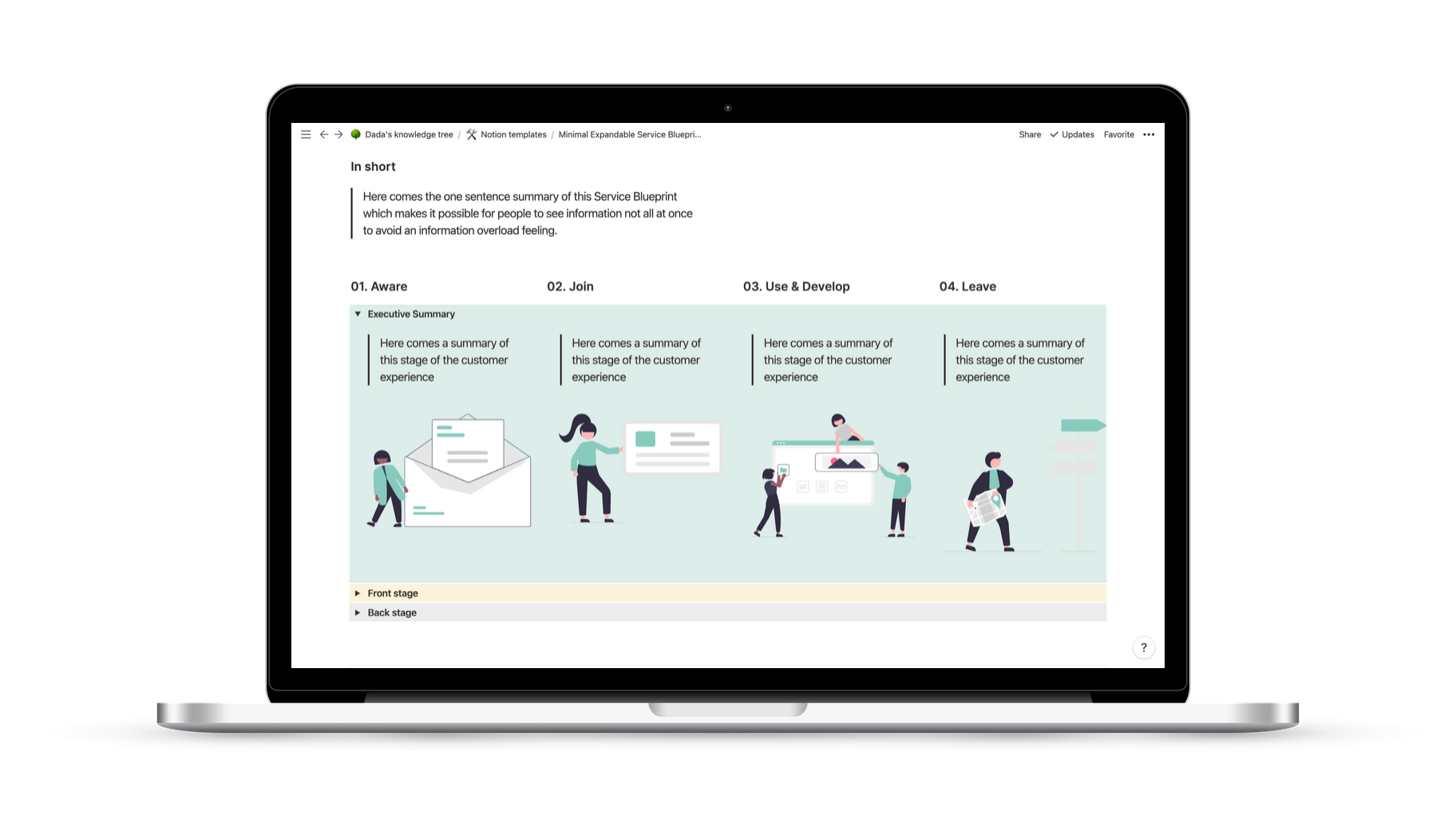
Share your Service Blueprint without overwhelming people by letting them choose which part to see first.
Advanced Service Blueprint (Notion Template)
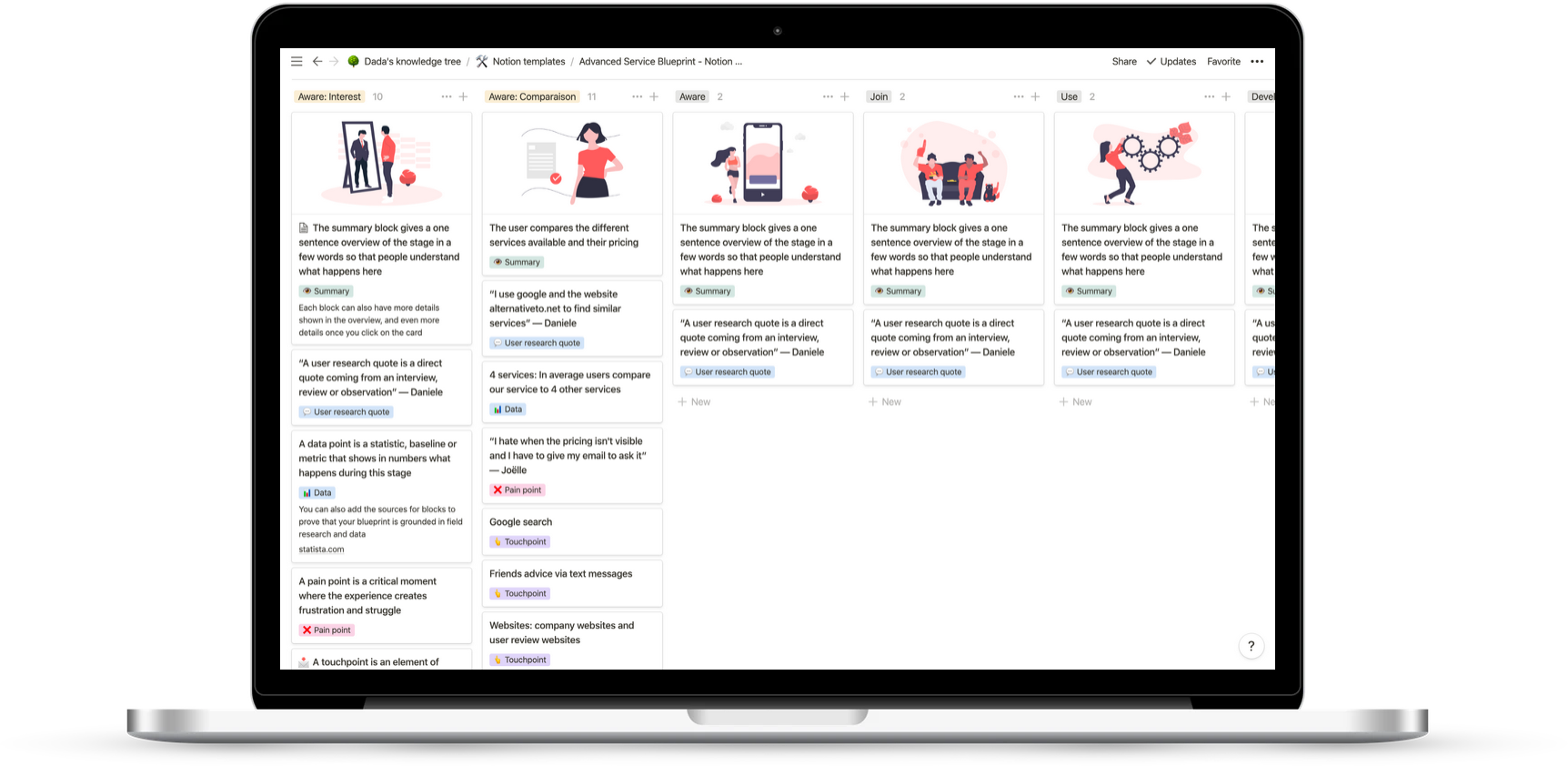
Create a complete Service Blueprint with automated analysis features directly in Notion.
Go further with service blueprints
You can find more Service Blueprint resources here.